
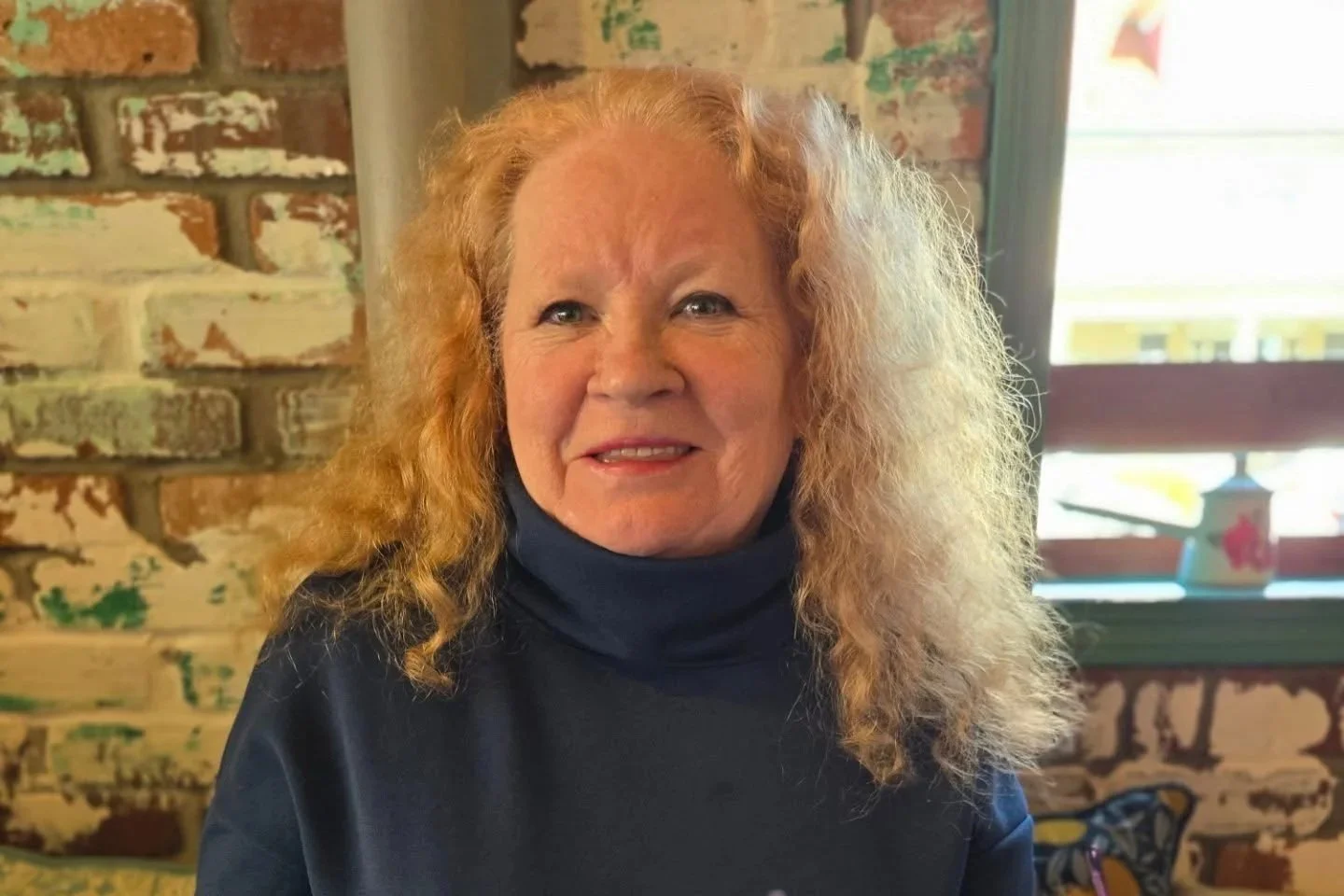
My Inspiration…..
My list of names who were an inspiration for me is very long. It begins with my father, who taught me to watch light and listen for silence. From him I learned patience, the way a single quiet hour can reshuffle what you thought you knew about a subject.
After that come the old masters—the steady, patient teachers who have no need for chatter. I owe to them the discipline of observation and the humility to let a painting take its shape. From Leonardo I learned the architecture of a face and the importance of thinking in layers. From Titian I took color’s capacity to breathe life into flesh. From Caravaggio I learned the drama of light against dark and the moral force of unvarnished truth. Rembrandt taught me how to carry time in a brushstroke, to suggest aging and memory rather than outline them. Vermeer showed me the quiet power of a domestic moment and the alchemy of light on surfaces. Velázquez modeled honesty and restraint, a refusal to flatter, and the dignity of those depicted. From Poussin I took structure and the reasoned placement of figures; from Goya, the reminder that art can be witness and indictment. I find in Holbein the cool precision of line and in Fra Angelico a gentle, devotional clarity.
Beyond the canonical names are those whose influence is subtler: the portraitists who taught me how hands tell a life, the plein air painters who taught me weather as subject, the printmakers who taught me to value mark-making as language. There are sculptors who taught me to imagine volume without shadow, poets who taught me how silence can be as expressive as a painted sky, and musicians who taught me proportion and tempo in composition.
Contemporary voices have also kept me honest. Teachers, peers, and students—artists whose work challenges my assumptions—have been indispensable. Galleries that show work with restraint, conservators who reveal the techniques beneath varnish, critics who force clarity with tough questions: all these people form a community of influence as important as any individual genius.
There are also unnamed teachers: the anonymous craftspeople whose mastery of materials I study in museums, the restorers who rescue color from decay, and the everyday people who let me paint them. The city streets at dawn, a single hymn in an empty church, the way an old door hinges—these too are names in a long list, less literal but no less formative.
My gratitude extends to every one of them. Inspiration for an artist is cumulative: an inheritance of technique, temperament, and ethics. I draw from it, translate it, and try to give it back—one small, considered brushstroke at a time.
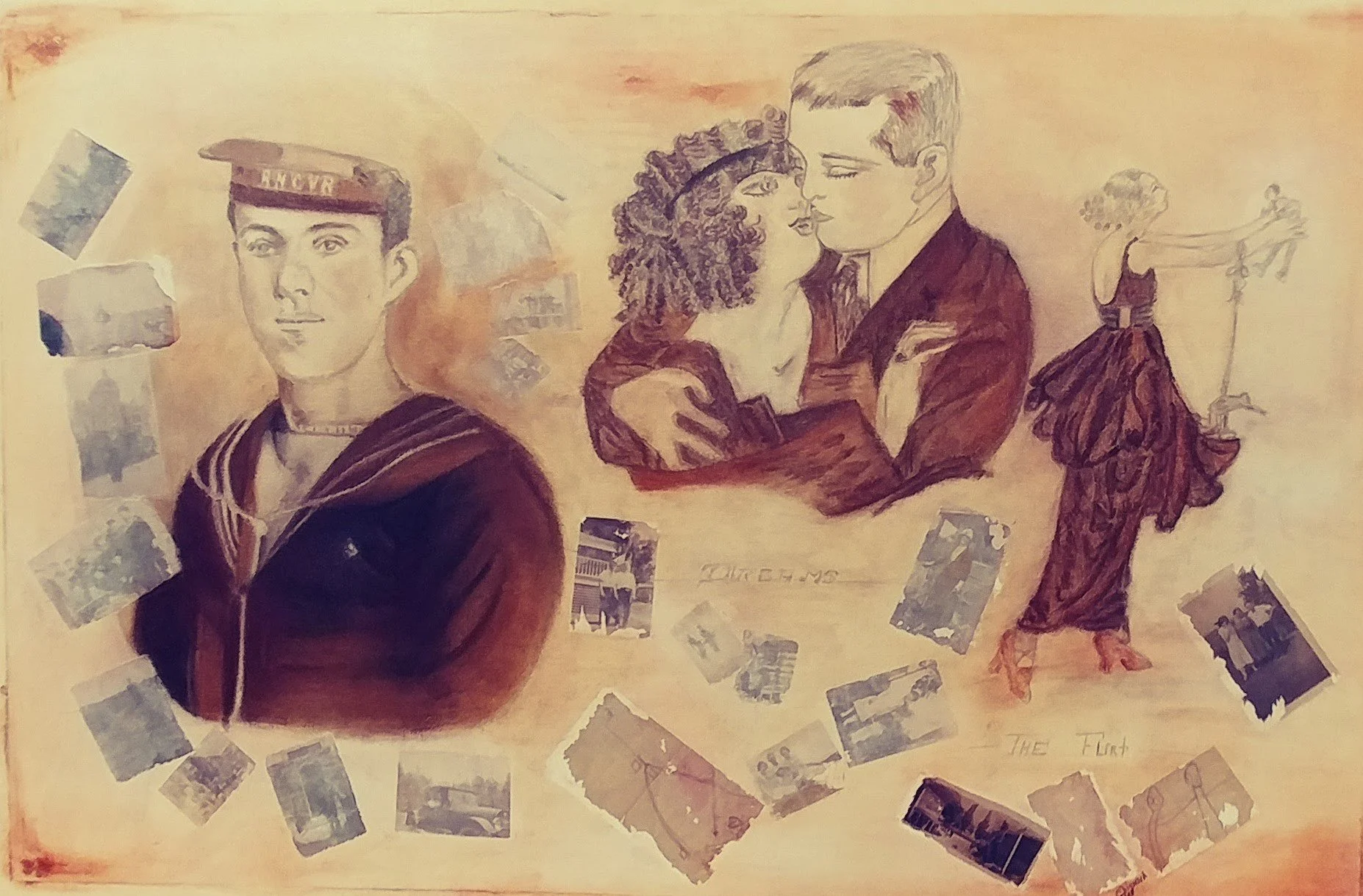
The list of names that inspired me is very long. It begins when, as a very young child. My father, Richard Davis, taught me to watch light and listen for silence while sitting in front of his camera for what seemed like hours. From him, I learned patience, the way a single quiet hour can reshuffle what you thought you knew about a subject. My grandfather, George Davis, also communicated through his artwork. He sketched and painted his way through a war that ultimately took his life at a very young age. The small letters and drawings he sent home to his young wife and their three-year-old son became a catalyst, quiet, persistent proof that a life could be lived through making. Those pages of ink and wash held more than images; they held a voice, a presence, a legacy.
His son, Richard, grew up without a father. Yet George’s creative spirit lived on in him. From the small ink-drawn Donald Duck and Mickey Mouse when he was 3 to my grandfather's traveling suitcase, which housed George's few remaining belongings. Richard, my father, carried that inheritance not as a burden but as a seed that he planted in our family. He cultivated a creative mind and an open, searching soul, and in turn, he passed them on to his children. My grandfather’s tiny suitcase resides under my bed. The lineage of art in our family is less about technique and more about transmission: the way an image can speak across absence, the way making can knit together generations.
When I pick up a brush or set a charcoal stick to paper, I think of George Davis, my grandfather, sketching in the margins of a letter, imagining his home from a distant ship. I think of Richard, my father, teaching me to see through photography and books—how to find a drawing in the world’s light and shadow, how to trust that a small mark can carry meaning. My practice is a continuation of that conversation: an answer, a question, and an inheritance all at once.
After that come the old masters—the steady, patient teachers who do not need chatter. I owe them the discipline of observation and the humility to let a painting take its shape. From Leonardo I learned the architecture of a face and the importance of thinking in layers. From Titian, I took color’s capacity to breathe life into flesh. From Caravaggio, I learned the drama of light against dark and the moral force of unvarnished truth. Rembrandt taught me how to carry time in a brushstroke, to suggest aging and memory rather than outline them. Vermeer showed me the quiet power of a domestic moment and the alchemy of light on surfaces. Velázquez modeled honesty and restraint, a refusal to flatter, and the dignity of those depicted. From Poussin I took structure and the reasoned placement of figures; from Goya, the reminder that art can be witness and indictment. I find in Holbein the cool precision of line and in Fra Angelico a gentle, devotional clarity.
Beyond the canonical names are those whose influence is subtler: the portraitists who taught me how hands tell a life, the plein-air painters who taught me weather as a subject, the print-makers who taught me to value mark-making as language. Some sculptors taught me to imagine volume without shadow, poets who taught me how silence can be as expressive as a painted sky, and musicians who taught me proportion and tempo in composition.
Contemporary voices have also kept me honest. Teachers, peers, and students—artists whose work challenges my assumptions—have been indispensable. Galleries that show work with restraint, conservators who reveal the techniques beneath varnish, critics who force clarity with tough questions: all these people form a community of influence as important as any individual genius.
There are also unnamed teachers: the anonymous craftspeople whose mastery of materials I study in museums, the restorers who rescue color from decay, and the everyday people who let me paint them. The city streets at dawn, a single hymn in an empty church, the way an old door hinges—these too are names in a long list, less literal but no less formative.
Art for us has been a way to persist, to remember, and to communicate what words sometimes cannot. It is my grandfather’s voice and my father’s patience speaking through my hands. That is my inspiration. My gratitude extends to everyone in my family, but most of all my husband Daniel, who supported me through eight years of fine art training and my countless hours at the easel, while our home and daily life became my training ground.
Years of support and inspiration for me as an artist are cumulative: an inheritance of love, temperament, and ethics. I have drawn from everyone around me, translated all their input, and try to give back one brushstroke at a time.
My Inspiration
My Inspiration
My grandfather George communicated through his artwork. He sketched and painted his way through a war that ultimately took his life at a very young age. The small letters and drawings he sent home to his young wife and their three-year-old son became a catalyst—quiet, persistent proof that a life could be lived through making. Those pages of ink and wash held more than images; they held a voice, a presence, a legacy.
His son, Richard, grew up without a father. Yet George’s creative spirit lived on in him. Richard carried that inheritance not as a burden but as a seed. He cultivated a creative mind and an open, searching soul, and in turn he passed them on to his children. The lineage of art in our family is less about technique and more about transmission: the way an image can speak across absence, the way making can knit together generations.
When I pick up a brush or set a charcoal stick to paper, I think of George sketching in the margins of a letter, imagining his home from a distant trench. I think of Richard, my father, teaching me to see—how to find a drawing in the world’s light and shadow, how to trust that a small mark can carry meaning. My practice is a continuation of that conversation: an answer, a question, and an inheritance all at once.
Art for us has been a way to persist, to remember, and to communicate what words sometimes cannot. It is my grandfather’s voice and my father’s patience speaking through my hands. That is my inspiration.
My grandfather, George Davis, communicated through his artwork. He sketched and painted his way through a war that ultimately took his life at a very young age. The small letters and drawings he sent home to his young wife and their three-year-old son became a catalyst, quiet, persistent proof that a life could be lived through making. Those pages of ink and wash held more than images; they held a voice, a presence, a legacy.
His son, Richard, grew up without a father. Yet George’s creative spirit lived on in him. Richard, my father, carried that inheritance not as a burden but as a seed that he planted in our family. He cultivated a creative mind and an open, searching soul, and in turn, he passed them on to his children. The lineage of art in our family is less about technique and more about transmission: the way an image can speak across absence, the way making can knit together generations.
When I pick up a brush or set a charcoal stick to paper, I think of George Davis, my grandfather, sketching in the margins of a letter, imagining his home from a distant ship. I think of Richard, my father, teaching me to see through photography and books—how to find a drawing in the world’s light and shadow, how to trust that a small mark can carry meaning. My practice is a continuation of that conversation: an answer, a question, and an inheritance all at once.
Art for us has been a way to persist, to remember, and to communicate what words sometimes cannot. It is my grandfather’s voice and my father’s patience speaking through my hands. That is my inspiration.
I want to apologize for being absent for so long. Whenever a new semester begins, I am overwhelmed by all there is to learn and do. 3-D Design is my new love and I am embracing it to the max. I’m excited to see how it will affect my artistic endeavors. Last semester it was color. I already see the positive effect it is having on my painting. My work seems more alive, more passionate and I have more confidence. Later this week I will post some of my classwork. Please subscribe and let me know what you think.

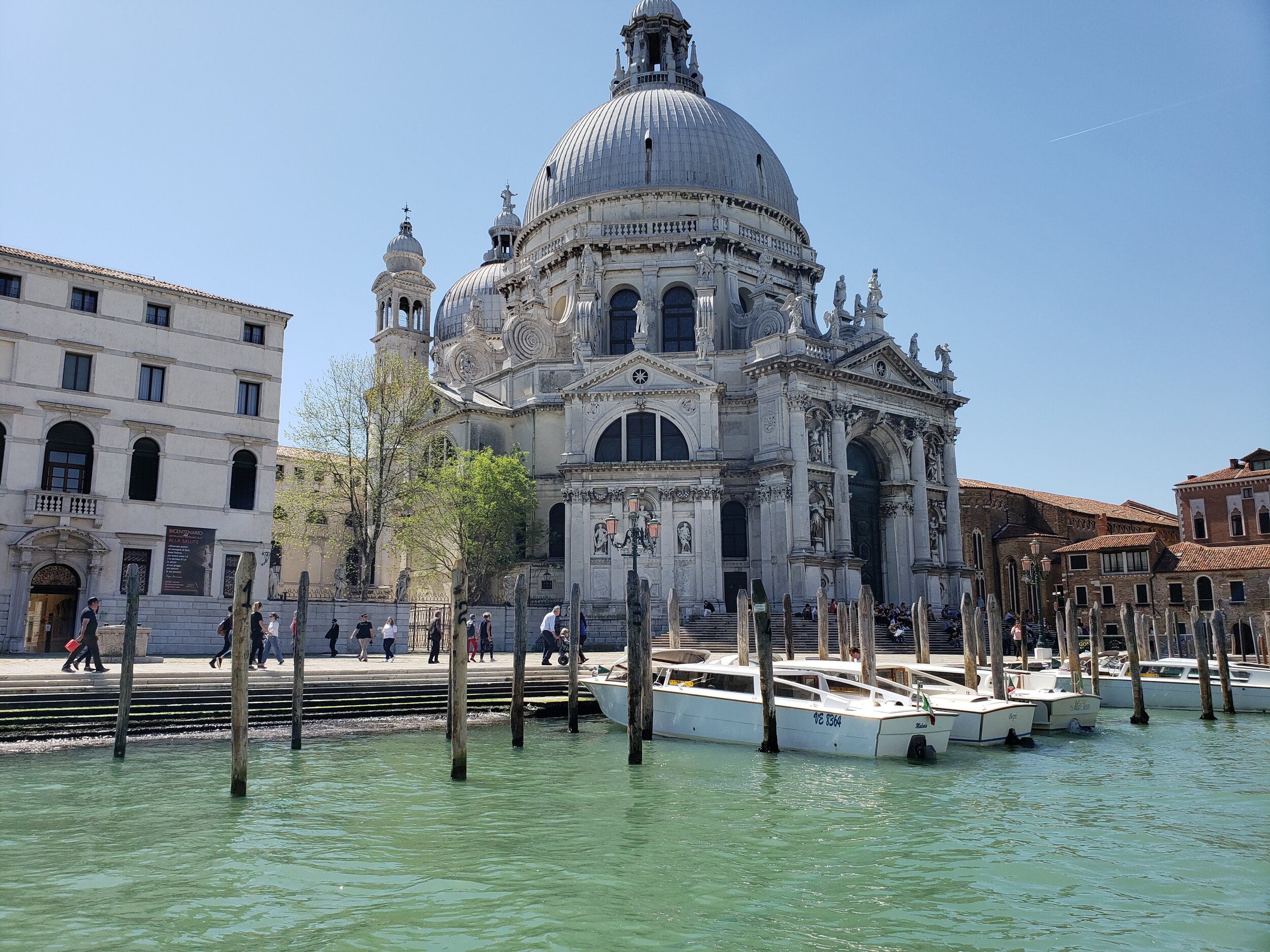
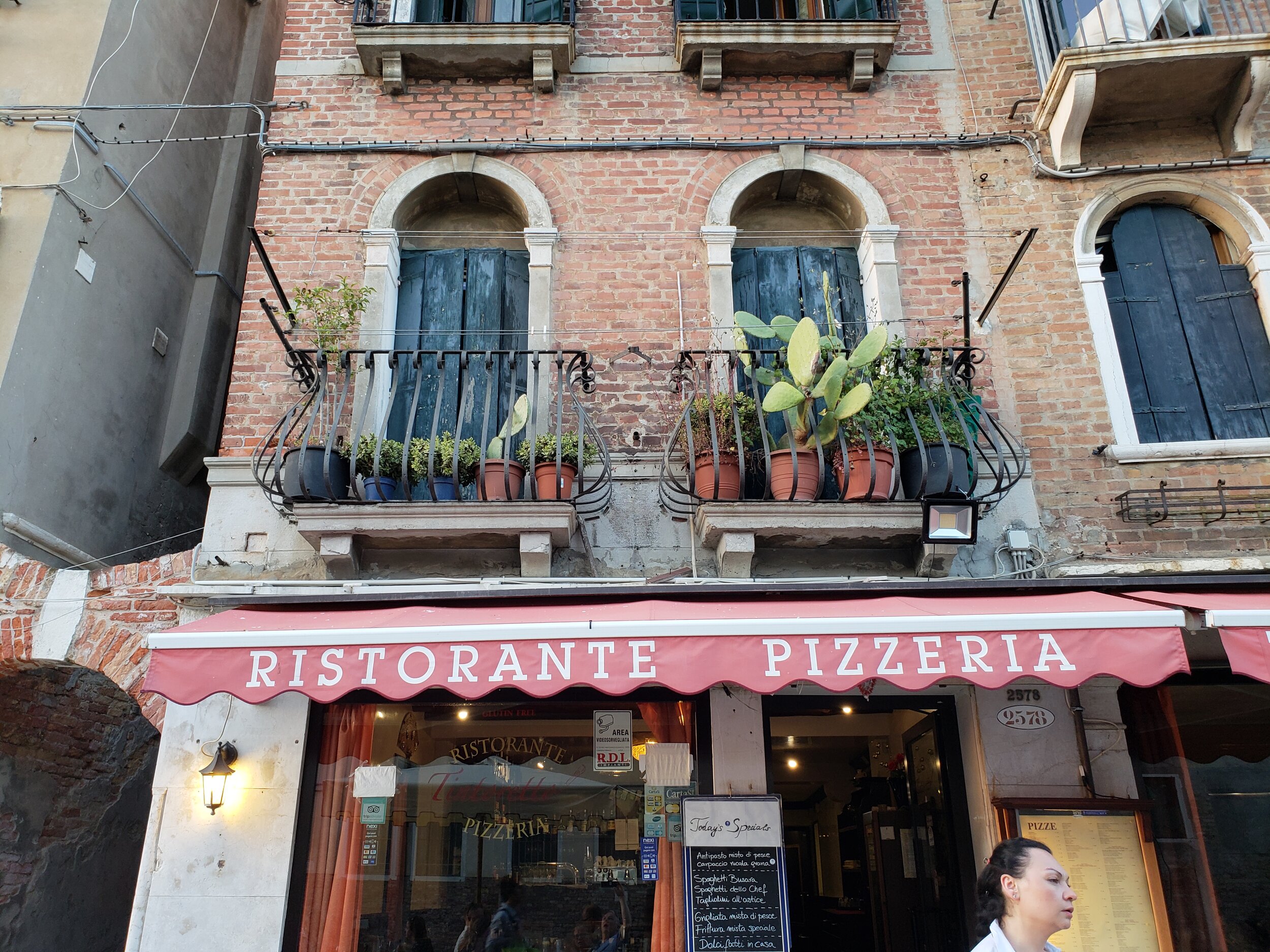
Venice, Italy, 2019
With its historic buildings and gorgeous canals, Venice is one of Italy’s most famous attractions. This floating city consists of a group of 117 small islands separated by canals and linked by bridges. Not wanting to carry our luggage all over the city, we booked a water taxi. Trust me, you do not want to drag your luggage very far in Venice. The streets are narrow and lots of climbing. The short boat ride from the airport took us into the center of the city. Venice seemed to be over-run with tourists. The locals seemed to want to distance themselves from tourists. I have traveled to many places in my life, and am very polite. I must say I have to say that hands-down, the Venetians were THE rudest people I’ve ever encountered in my travels. Upon my return to the states, I learned the reason for this. Apparently these small Venetian towns are inundated with large cruise ships and high volumes of tourists, especially during the summer months. Even with the low key response and the very high cost of everything there, I was astounded with Venic’s beauty and culture. Enjoy some pics of my journey there.

Venice, Italy 2018




Blog...
I am challenging myself to post here at least once a week. Thank you to all of you who “liked” my site. It means a lot to me. I will travel to Italy and Paris at the end of March and so I’m excited to share that trip with you. I’m hoping to get to Giverny this trip to paint in Monet’s garden. I’ll keep you posted. I’m also considering visiting Amerstem, the home of Rembrandt and other old master painters.
Until then, I’m very busy in my studio finishing up old paintings. I started five new paintings and I will post them as I finish them. I’m working in series now, old masters portraits and full bodies, pears, images of France, etc. I’m learning tons about how to be patient about drying times of each painting. This enables me to set aside painting to dry and take out another that is in need to be finished. Because drying time allows the paint to get tacky it allows a new layer to sit firmly. I found this stage incredibly effective when you're trying to place lights to dark.
The dark paint underneath doesn’t absorb the light layer as easily. A major problem I have had over the years is getting bored with the painting just before it is finished and walking away from it. Choosing the subject and starting the drawing for a new painting is one of the more exciting parts of my painting practice. I take time to muddle over what type of painting I want to do, as well as which medium I will use. The size and shape of the canvass are very important to me. I tend to paint on large canvasses and I have fun drawing full bodies both with the paintbrush and graphite. I have been told repeatably by one of my professors that one can not become a proficient or master painter without knowing how to draw first. Over the years, most of my sketches have been done rather obscurely and quickly with a paintbrush dipped into a very thin solution of raw umber or burnt sienna straight onto my canvas. So, that’s it for now. Time to paint. I have challenged myself to paint eight hours every day and finishing everything I start. Wish me luck.
If you like this post, please like and comment.
My Travels to France
Tips to travel around in France, to make sure you make the most of your time in this enchanting country. France is not just Paris!
Travel off-season for a better experience.
Cash rules!
Courtesy is key, especially if you don't speak French.
Getting around. Where to eat. So much to consider!
Let’s start with how to get there:
1. Online maps of airport, travel routes, Giverny, France.
2. Do you need permission to paint in the Gardens? Contact the Monet Foundation.
3. Accommodations, small hotel to castle type BnBs.
4. What should you bring: passport, ID, cash.
5. Language barrier? A French-speaking husband or French/ English translator from Babbel.com
In May of 2019, I packed my small bag headed to the airport to catch an early flight to Germany, where I would rent a car and drive to Paris. I was thrilled to grab a fist class seat and spent much of the 6-hour flight to Berlin eating, drinking, watching movies, and sleeping on my fresh duvet covered bed. I awoke to the clatter of breakfast dishes and the sun pouring into the cabin. I quickly prepared to exit the aircraft.
After renting a vehicle we headed towards the French border. For the next few hours, we drove past beautiful hillsides and small villages that still resembled medieval days. We arrived at our hotel in Paris well after dark but it didn’t matter. The gorgeous architecture of every building surrounded us. It didn’t matter the size of the building, each one was a piece of art. Our small, french hotel was nestled into a busy street at the foot of the Eiffel tower. We quickly signed in and huddled into the smallest elevator I have ever seen.
Our room was lovely and had a tiny balcony. The bed was comfortable and CLEAN. We awakened to the sound of horns, cars, and people chatting in the street. In Paris, there is at least one cafe on each street. The coffee was superb, the croissants divine.
Claude Monet’s Estate and Gardens are found to the West of France. It took us under an hour to drive there.
Painting in Claude Monet’s Gardens in Giverny, France is much like slipping into one of his paintings. Giverny is the home village of Claude Monet, here he lived and worked from the age of 43, in 1883 to his death in 1926. It’s located, 50 miles (75 kilometers) North-West from Paris in Normandy. Claude Monet has long been my favorite Impressionistic artist and since I have had the privilege of visiting his Estate and Gardens, my goal has always been to return with a paint brush and canvass and sit and paint where he would work. Who better to return with then my artist friends. So, I decided to do some research and see what tips I could pass on to you in the hope that you might like to join me. I hope these few tips I offer you today will help motivate and encourage you to go. Each time I tour Monet’s Estate it leaves me with an overwhelming desire to PAINT in places where I know Monet painted most of his beautiful paintings. I have studied and copied his paintings for many years, hoping to somehow tap into the spirit of the Old Master Painter.
We begin with the necessities;
1. Passport and ID:
You are permitted to travel to France for up to 90 days for tourist or business purposes without a visa, as long as your U.S. passport is valid for at least 3 months after your planned return to the United States. This is in accordance with the U.S. Embassy Paris. (n.d.). Retrieved from https://fr.usembassy.gov/embassy-consulates/paris/
2. Cash:
Check with your bank before you leave. Let them know where you are going so they won’t consider your expenditures fraudulent. You can use credit cards and ATM machines are everywhere. Carry some cash. It’s convenient for catching a quick bite, a cab, and tipping.
3. Know where you are going before you leave:
· Print out the maps you need.
· Giverny Tours to Giverny from Paris: Everything you need to know about touring is listed at this website: http://giverny.org/tour/excursion.htm. The site includes times of day, rates, and really just a lot of good information.
4. Transportation: Train, Bus, Car rentals
5: Accommodations: Many BnB’s and small café hotels near Claude Monet's Garden at Giverny.
6: And one more vitally important tip: if you don’t have someone with you that is bilingual, as I do, pick up an English/French translator or, go to Babel online. It’s a great site for quick translation.
The gardens are real works of art. Walking through Monet’s garden is just like walking through Monet’s paintings. Flourishing, peaceful and quiet,
Perhaps some of you are wondering if it is permissible to paint in the gardens. Actually, the answer is yes and no. According to the Foundation of Claude Monet the answer is; and yet, many do. The big key is if you paint outside of a workshop group, you MUST be discreet. Carry as few tools as possible, such as:
A. Watercolors portable kit.
B. Small brushes.
C. Water colored paper.
In Review and Conclusion
And so, today, we have examined how to make your dream of traveling abroad to paint in the place of your favorite artist or maybe to experience where he or she lived and worked. Being informed by learning about the airport you will visit, carrying cash for immediate purchases, booking close accommodation’s, perhaps even joining a tour group will go a long way to save you money, time, and stress.
I encourage you to do so sooner rather than later.
By following these tips and doing research of your own you’ll soon learn that it’s not as complicated as you might think.
Upon my return to the states, I painted this Giverny hotel and cafe, Ancien Hotel Baudy, Giverny, France. It is across the street from Monet’s Estate and Gardens.


Ancien Hotel Baudy, across the street from Monet’s Estate and Gardens. Giverny, France. Then I came home and painted this.
